
Discovering the Basics of Nutrition Patterns and Physiological Weight Stability
An educational resource exploring the science of balanced eating and natural energy stability
Explore Our Educational Content
Start with our three comprehensive articles on nutrition science and Mediterranean lifestyle
Energy Balance
Learn how the body naturally regulates long-term energy balance through physiological mechanisms
Read the explanation →Olive Oil & Research
Explore the composition and scientific research behind extra virgin olive oil
Explore further →Physiological Mechanisms of Weight Stability
The human body possesses remarkable mechanisms for maintaining stable energy levels over time. These physiological systems involve complex interactions between appetite signals, metabolic rate, and energy expenditure patterns. Understanding these natural processes provides insight into how the body achieves and maintains equilibrium without external intervention.
Research in nutritional science demonstrates that the body's homeostatic mechanisms work continuously to regulate energy balance. These systems include hormonal signals, neurological pathways, and metabolic adjustments that respond to dietary intake and physical activity patterns.

Role of Plant-Based Fats in Nutrition

Essential Components in Daily Diet
Plant-based fats play a crucial role in human nutrition, providing essential fatty acids that the body cannot produce independently. These fats support numerous physiological processes including cellular function, hormone production, and nutrient absorption.
Extra virgin olive oil, a cornerstone of Mediterranean nutrition patterns, contains compounds that have been studied extensively for their roles in supporting overall health. Its composition includes monounsaturated fatty acids and various bioactive substances that contribute to nutritional value.
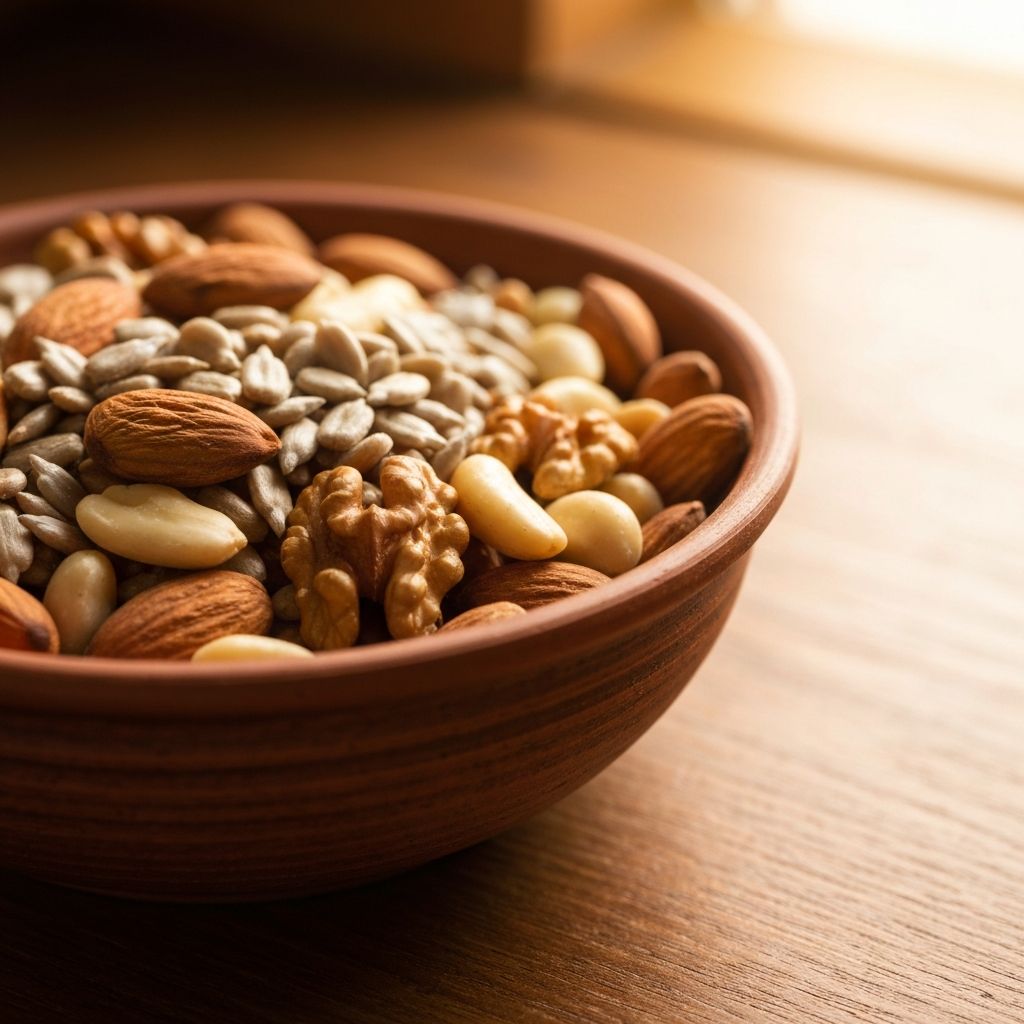
Diverse Sources of Beneficial Fats
Beyond olive oil, nuts, seeds, and other plant-based sources provide varied fat profiles that contribute to diverse nutritional intake. The Mediterranean approach emphasizes variety in fat sources, reflecting traditional eating patterns developed over centuries.
Different nuts and seeds offer distinct nutritional profiles, allowing individuals to experience varied dietary patterns naturally. This diversity supports the principle that healthy eating involves multiple food sources and balanced consumption patterns.
Everyday Patterns in Mediterranean Context
Mediterranean lifestyle encompasses more than specific foods—it represents integrated daily patterns involving meals, movement, social connection, and rest. These patterns reflect centuries of cultural development in regions where nutritional traditions align with natural rhythms.
The Mediterranean approach emphasizes quality of food, pace of eating, social aspects of meals, and integration of physical activity into daily routines. These elements work together as a cohesive lifestyle pattern rather than isolated dietary rules.
Traditional Mediterranean communities demonstrate how eating patterns naturally evolve from local food availability, cultural practices, and social customs. These patterns have sustained populations while supporting varied health outcomes across individual differences.

Frequently Asked Questions
Common questions about nutrition, weight stability, and Mediterranean lifestyle
The human body uses multiple regulatory systems including appetite hormones, metabolic rate adjustments, and energy utilization patterns to maintain stable weight over time. These mechanisms respond to various factors including food intake, activity level, sleep, and stress. Individual variations in these systems explain why different people experience different patterns naturally.
Extra virgin olive oil is produced through mechanical means without chemical processing, preserving its natural composition including polyphenols and other compounds. This production method, combined with specific olive varieties, creates its distinctive flavor and chemical profile. Research explores the various compounds present in different olive oil types and their roles in nutrition.
Mediterranean patterns emphasize plant-based foods, moderate fat intake primarily from olive oil, regular fish consumption, and moderate dairy use. These patterns reflect long-standing regional traditions and have been studied extensively. However, dietary approaches vary significantly based on individual needs, preferences, and circumstances.
Dietary fats play various roles in metabolic processes, hormone production, and nutrient absorption. The type and amount of fat consumed can influence these processes, though responses vary among individuals. Research continues to explore specific relationships between different fat types and metabolic outcomes.
Daily patterns including meal timing, physical activity, sleep duration, and stress management all influence energy balance through various physiological mechanisms. These habits interact with the body's regulatory systems to affect overall energy dynamics. Individual responses to different habit patterns vary significantly.

Appetite Signals and Food Choices
The body communicates hunger and satiety through complex hormonal and neurological signals that guide food intake. These signals respond to nutritional status, eating patterns, and various lifestyle factors. Understanding how these signals function provides insight into natural appetite regulation.
Factors including meal composition, eating pace, food quality, and environmental context all influence how appetite signals are perceived and acted upon. Different foods and eating patterns produce varied satiety responses based on their nutritional composition and individual physiology.
Research continues to explore the intricate relationships between food choices, appetite signals, and overall nutritional patterns. This knowledge helps explain the diversity in how individuals naturally approach food and eating.
Common Beliefs About Oils and Health
Throughout history and across cultures, oils have held various roles in traditional nutrition and health concepts. Modern research examines these traditional beliefs through scientific investigation, clarifying the actual composition and effects of different oils.
Scientific evidence helps distinguish between traditional wisdom and marketing claims. Different oils contain different compounds and have different chemical properties that influence their characteristics. Understanding these differences allows for informed dietary choices based on evidence rather than claims.
The Mediterranean region's long history of olive cultivation has generated both traditional knowledge and ongoing research. This combination provides valuable context for understanding oils within broader nutritional science.

Continue Exploring Nutrition Science
OliveHabits is an educational resource dedicated to explaining the science of nutrition patterns and physiological stability. All content is provided for informational purposes only.
Read Our Full Articles →